
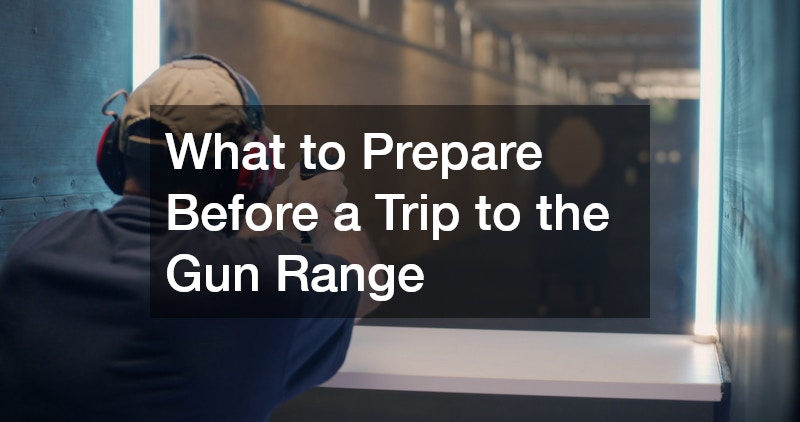
Before heading to a gun range, adequate preparation is paramount to ensure a safe, enjoyable, and effective shooting experience. Shooting sports can be a rewarding hobby, providing both recreational pleasure and the opportunity to develop a unique skill set. However, like any activity involving firearms, a successful experience depends significantly on careful pre-trip planning.
From equipment gathering to an understanding of safety protocols, each facet of preparation contributes to the overall quality of the trip. This article outlines the essential steps and considerations to take into account. By following these recommendations, both novices and experienced shooters can enhance their time at the range.
What Equipment Do I Need to Bring?
Bringing the right equipment is a fundamental aspect of any visit to the gun range. The primary items you need to bring include your firearm and the appropriate ammunition for your gun. Each gun range may have different rules regarding the type of ammunition allowed, so it is essential to verify these rules beforehand. Aside from your gun and ammunition, ear and eye protection are non-negotiable items. The intense sounds from firearms can damage hearing permanently, and safety glasses protect your eyes from debris or accidental ricochets.
Adjustment tools specific to your gear can be incredibly beneficial. If your optics require sighting in, you may need a small toolkit to make necessary adjustments. Similarly, a handheld flashlight might help if practicing in low-light conditions. Carrying a notebook can also be advantageous; you may want to record distinct shooting patterns or improvements in your aim. All of these preparations not only ensure a comprehensive experience but also contribute to safety and efficiency during your trip. Ultimately, consistency in preparation leads to better results and establishes solid behavioral patterns among shooting enthusiasts.
How Should I Prepare for Safety at the Gun Range?
Acknowledging and adhering to safety protocols is quintessential for any gun range visitor. Safety starts with understanding the universal rules of gun safety, such as treating every firearm as if it’s loaded and keeping your finger off the trigger until you’re ready to shoot. Many ranges require clients to attend a safety briefing, whether it’s the first visit or a routine session. These guidelines are not just bureaucratic hurdles; they fundamentally minimize the risks of accidents. Additionally, knowing the layout of the range and the location of safety equipment, such as a first aid kit, can be crucial in an emergency.
Investing time in mental preparation is just as important as packing equipment. A focused and calm mental state allows individuals to act quickly and prudently on the range, especially in potentially stressful situations. It’s wise to inform the range officer if you’re a first-timer or need particular guidance. Range officers are there to help and ensure safety, so engaging with them can lead to a more informed shooting session. Attending classes offered by many ranges can also serve to further your understanding of safe firearm operation, which can ultimately enhance your comfort and confidence when handling firearms.
The pre-trip check should also involve verifying your personal health. For example, ensuring you have adequate hydration, that your prescription eyewear is current, and acknowledging any medications that might impede your shooting capabilities. If you’re new to gun ranges, consider going with someone more experienced who can act as a mentor. This not only improves safety but also enriches your learning curve. Remember to stay within your means and skill level while advancing your firearm handling abilities. In essence, diligent safety preparation maintains a harmonious environment among all range participants.
What Are the Basics of Range Etiquette?
Range etiquette is pivotal for maintaining respect and order at the facility. Speaking courteously to range staff and other shooters contributes positively to the community spirit of the range. Refrain from distracting other shooters with loud conversations or unnecessary actions. When a ceasefire is called, ensure you understand what actions are required during this time, as it usually involves unloading firearms and stepping back from the shooting line. Demonstrating patience, particularly with newcomers, furthers an inclusive atmosphere that can transform rookies into seasoned shooters.
Exercises related to shooting should be executed in a manner mindful of all participants present. This includes keeping the muzzle of the firearm pointed downrange and refraining from rapid firing unless explicitly allowed. Proper target identification and assessment are crucial and should align with the type of training or practice you intend to engage in. Make sure to follow the posted policies about drawing from the holster or moving while shooting, as these activities are often restricted. Creating good habits in range etiquette can lead to a safer environment, which benefits everyone involved.
Preparation is the cornerstone of a successful visit to the gun range. By bringing the right equipment, familiarizing oneself with safety procedures, and following range etiquette, individuals can ensure that their trip is both safe and enjoyable. Practicing respect and caution, both on a personal level and towards others, garners a shooting environment conducive to skill enhancement and responsible firearm handling. With thorough preparation, you can maximize the benefits of each visit to the range, turning it into a consistently enriching experience. Whether you’re honing your skills or simply enjoying leisure time, a well-executed trip to the gun range is always within reach. Integrating these practices into your routine can elevate not just the quality of your visit but also the overarching shooting culture.